
Best Digestive Enzymes (2026)


Digestive enzymes are an important part of our digestive system. Without them, the body cannot effectively utilize the nutrients in food, which can lead to digestive disorders and energy deficiencies.
Certain health conditions can interfere with the production of digestive enzymes. In this case, you can add digestive enzymes before meals to help the body process food efficiently.
In this guide, find out which are the most important digestive enzymes, how to recognize their deficiency and which are the best nutritional supplements to support your digestion.
In this article
What are digestive enzymes?
The digestive system secretes juices that contain enzymes – substances that break down food into its simplest components, and the movements of the digestive system allow for continuous mixing of food and juices, which improves the action of the enzymes.
Digestive enzymes help break down food into a form that can be absorbed in the small intestine. Digestion begins in the mouth, where the first enzyme, ptyalin, is secreted to help break down starch.
Where are digestive enzymes secreted?
Digestive enzymes are substances that break down food into smaller parts that the body can absorb. They are secreted in different parts of the digestive system:
- Ptyalin – starch breakdown – secreted in the mouth
- Pepsin – breaks down proteins into amino acids, found in the stomach
- Amylase – breaks down starch and glycogen, secreted by the pancreas
- Lipase – breaks down fats, also secreted by the pancreas
Why is sufficient intake of digestive enzymes important?
Lack of digestive enzymes can lead to various gastrointestinal (GI) symptoms. It can also lead to a lack of nutrients even if a person has a healthy diet.
A lack of digestive enzymes can cause:
- Bloating and gas
- Diarrhea or constipation
- Feeling of heaviness and discomfort after eating
- Lack of fat-soluble vitamins (A, D, E, K)
- Development of food intolerances
When a person does not have enough of a certain enzyme, food remains undigested or insufficiently digested in the human tract. Insufficiently digested food becomes the perfect medium for the growth of fungi and bacteria, creating a breeding ground for disease.
A lack of the enzyme amylase can lead to diarrhea, a lack of lipase can lead to a deficiency of vitamins A, D, E and K, while a lack of protease can lead to allergies. Enzyme deficiency can also develop various intolerances to certain foods or certain ingredients in food.
Natural sources of digestive enzymes
Certain foods that contain digestive enzymes and can help digestion are: avocado, bananas, ginger, honey, kefir, kiwi, mango, papaya, pineapple, sauerkraut.
What are the best digestive enzymes in dietary supplements?
Zona Vital Enzym 5 Synergy capsules contain a patented, clinically tested multi-enzyme complex with a blend of 5 digestive enzymes. Take 1-2 capsules during or immediately after meals, depending on your needs and your doctor's recommendation.
Zona Vital, Enzym 5 Synergy – In the form of capsules
 Zona Vital, Enzym 5 Synergy, 90 Capsules, 5 Digestive Enzymes
Jamieson digestive enzymes contain a combination of digestive enzymes for the metabolism of proteins, fats, carbohydrates, starches, dairy products and fibers. Take 1 tablet 2 to 3 times a day with a meal.
Jamieson, Digestive Enzymes – In tablet form
 Jamieson, Digestive Enzymes, 90 Tablets, For Optimal Digestive Functioning
Solgar, Digestive Enzymes – In chewable tablet form
Solgar digestive enzymes are in the form of chewable tablets and contain a complex of plant enzymes. Take 1-3 tablets a day with a meal.
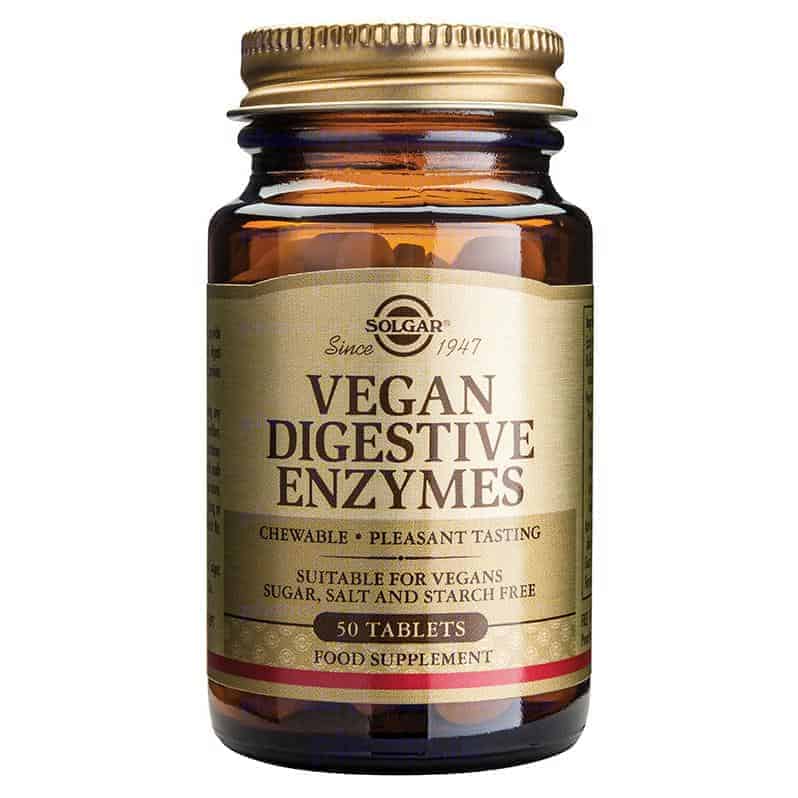 Solgar, Digestive Enzymes, 50 Chewable Tablets
Caricol, Gastro – In the form of sachets for direct use in the mouth
Caricol, Gastro is a 100% natural product made from organic papaya and oats. Take 2 sachets daily, 1 sachet before the main meal.
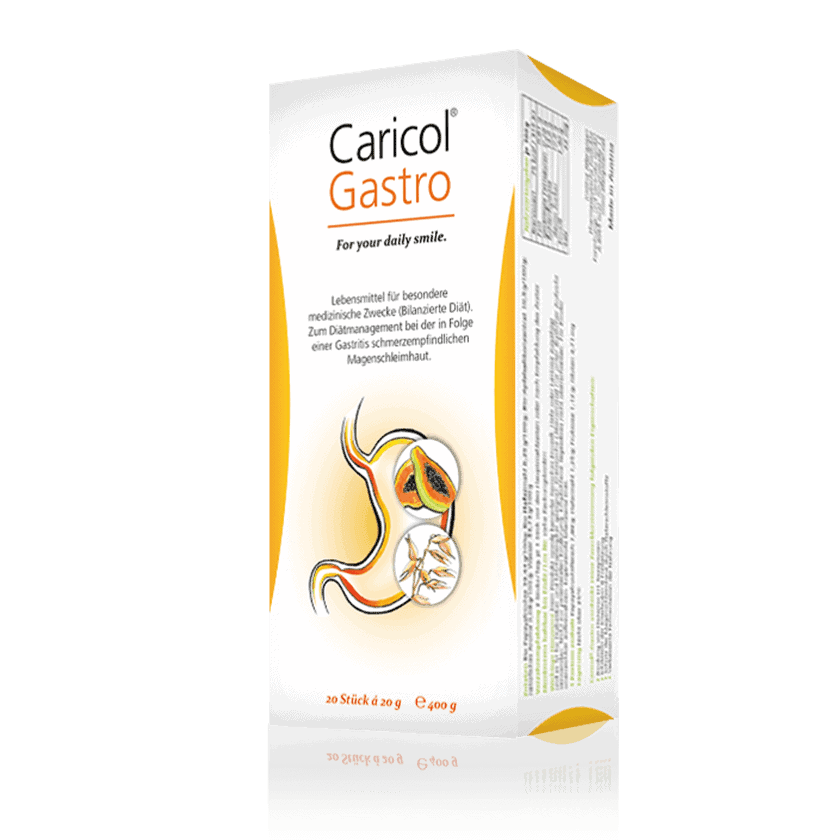 Caricol® Gastro, 20 Sachets, Gastritis, Stomach Pain, Nausea, Bloating, Bad Breath, Heartburn
When to use digestive enzymes?
- Take enzymes just before or during meals for best results.
- Monitor the body's reaction and adjust the dose as needed
- Before long-term use or if you have chronic conditions, consult a doctor or pharmacist.
Conclusion
Digestive enzymes help in the proper breakdown of food and absorption of nutrients.
When there are not enough digestive enzymes, whether due to health conditions, poor eating habits, or aging, digestive disorders such as bloating, gas, diarrhea, and a feeling of heaviness after eating can occur.
By adjusting your diet and consuming foods naturally rich in enzymes, such as avocado, kiwi, pineapple, papaya, sauerkraut, kefir and other fermented foods, many people can experience improvements.
Before using digestive enzymes, it is advisable to consult a doctor or pharmacist, especially if you have chronic digestive problems, are taking medication, or suspect intolerances. With the right choice of dietary supplements, a balanced diet, and a healthy lifestyle, most people can significantly improve their digestion and feel lighter and less tired.
For more health and nutrition tips, follow our blog and explore our range of digestive supplements.
More product recommendations
Product catalog:
Continue reading:
