
Best Vitamin D (2026)


Vitamin D is an essential nutrient that plays a key role in many vital body functions.
Lack of vitamin D is a very common phenomenon in today's society.1
It is a unique vitamin because it can be synthesized in the skin exposed to sunlight, but it can also be obtained through certain foods or supplements.
In this article
What is the best vitamin D?
The best vitamin D is the one with a sufficient amount of vitamin D for your needs, and at the same time a good price-quality ratio.
In order to choose the best vitamin D, it is good to repeat how vitamin D is produced, how it works in the body and what are the symptoms of vitamin D deficiency.
In the rest of the article, we will list the best vitamin D depending on the form in which it is drunk.
The best form of vitamin D
If you want to quickly know which shape to choose:
| Form | Advantage | Who is it recommended for? |
|---|---|---|
| Spray | Absorption through the mucosa, does not burden the stomach | For everyone, especially those with poor digestion |
| Drops (Oil) | Excellent absorption (D3 is fat soluble) | For children and the elderly |
| capsules | Practicality, accurate dosage | For those who want “one a day” |
| Liposomal | Maximum usability | In case of severe deficiency and poor immunity |
The best vitamin D spray
Vitamin D spray is a very practical way to get this vitamin. Hamapharm Daily D comes in two variants with different flavors:
- Hamapharm Daily D 1000 IU contains 25 mcg of Vitamin D3 (500% PU*) in powder form. It tastes like raspberry.
- Hamapharm Daily D 4000 IU contains 100 mcg of Vitamin D3 (2000% PU*) in the extract. It tastes like mint.
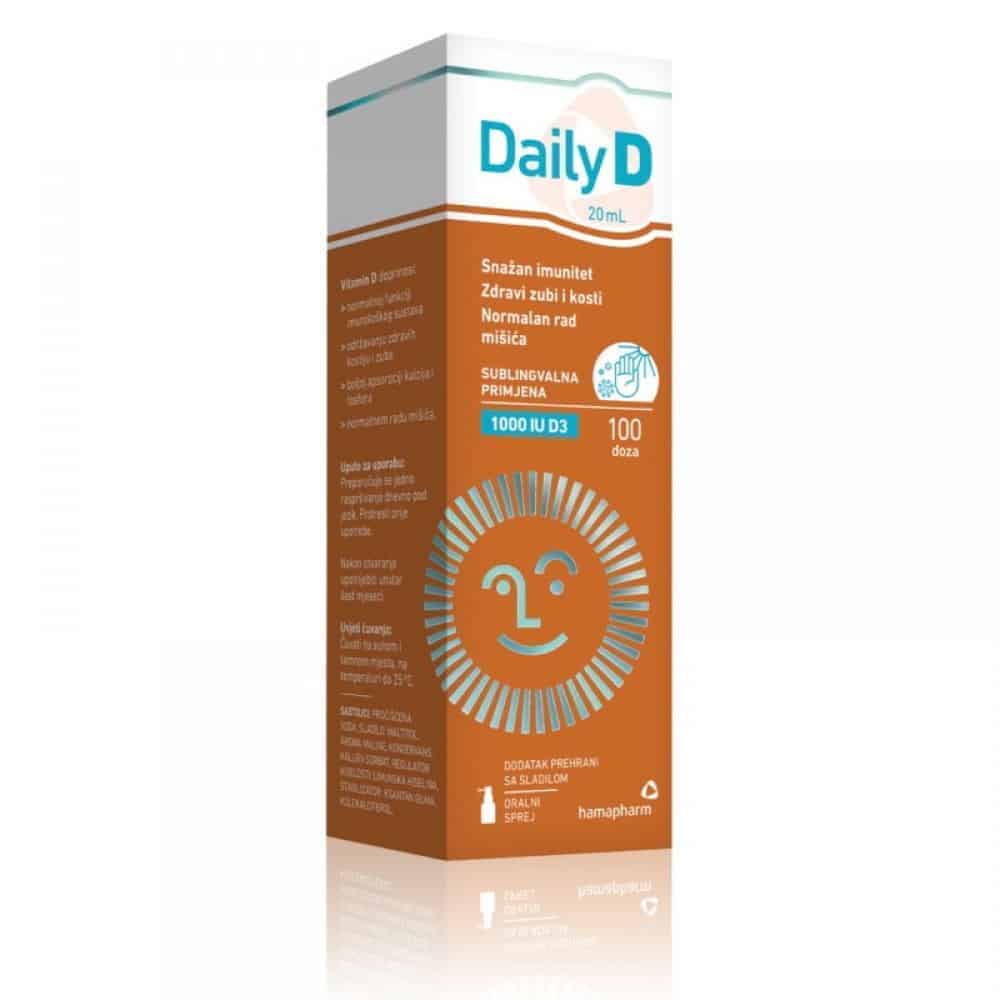 Hamapharm, Daily D, 1000 or 4000 IU, 20ml, Spray, Raspberry or Mint flavor
Vitamin D spray is superior to tablets primarily because of its faster and more efficient absorption that bypasses the digestive system where stomach acid, digestive enzymes, and various factors can break down some of the vitamin D3 and reduce its absorption. The spray avoids these obstacles. Taking vitamin D spray is ideal for people with digestive problems and is convenient for people who have difficulty swallowing tablets or capsules.
The best vitamin D in drops
Solgar liquid vitamin D3 2500 IU (62,5 µ) is a powerful formula of vitamin D3, in a liquid form that is easily used by the body, therefore we chose it as the best vitamin D in drops. It tastes like orange.
 Solgar Vitamin D3 Liquid, 2500 IU, 59 ml, Drops, Orange flavor
The best vitamin D in capsules
We chose Natural Wealth Vitamin D 1000 Protect for the best vitamin D in capsules. It contains 25 µg (1000 IU) in one capsule and has the best price-quality ratio.
 Natural Wealth Vitamin D 1000 Protect, 1000 IU, 50 Capsules
The best vitamin K2+D3 (liposomal)
Vitamins K and D work synergistically together. Vitamin D3 allows the body to absorb calcium, while vitamin K2 ensures that calcium ends up in the bones, not in the arteries and heart.
Unlike other ways of consuming vitamins, liposomal vitamins are absorbed directly into the bloodstream and have an excellent ability to transport nutrients to the body's cells, making them ideal for nutrient intake. Liposomal Ekolife Natura Vitamin K2 and D3 contains a delicious apricot flavor and only natural sugars.
 Ekolife Natura, Liposomal Vitamin K2+D3, 60ml, Optimal Health of the Heart, Bones, Teeth
The best vitamin D in tablets
We have selected the best vitamin D in tablets Jamieson Vitamin D 2000 IU. One tablet contains as much as 50 μg or 2000 IU (1000% of the recommended intake).
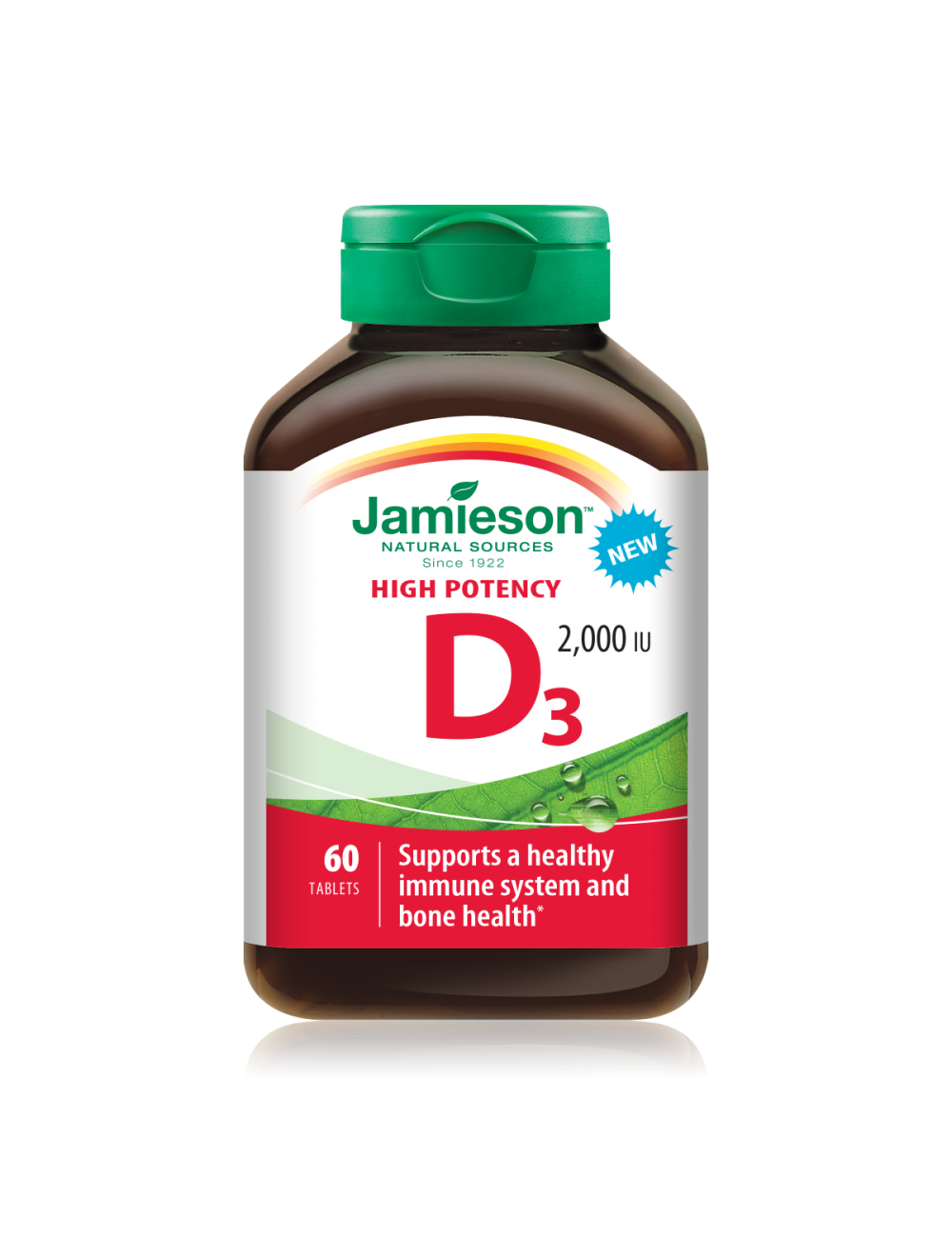 Jamieson, Vitamin D3 2000 IU, 60 Tablets
The best vitamin D for children
For the best vitamin D for children, we chose Childlife Vitamin D3. Contains vitamin D3 necessary for normal growth and bone development in children. Does not contain gluten, alcohol and casein. The liquid form has a pleasant forest fruit taste and is easy to use for children.
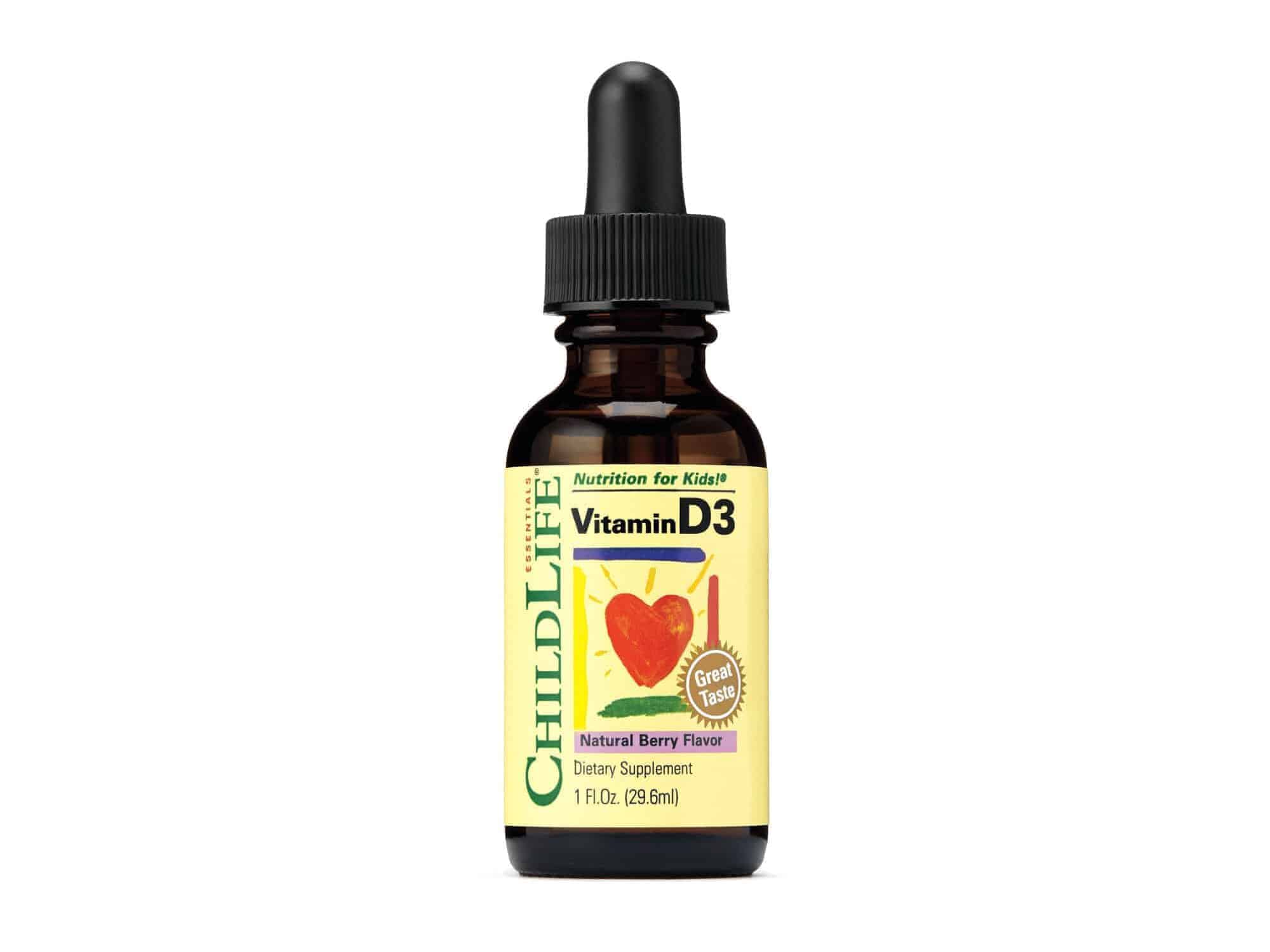 ChildLife, Vitamin D3, 29,6 ml, For Growth and Bone Development of Children - 6 Months and Older
How does vitamin D work?
The main role of vitamin D in the body is to maintain healthy bones and teeth. It helps the body absorb calcium and phosphorus from food, which is essential for maintaining strong and healthy bones.
Lack of vitamin D can lead to weakening of the bones and the development of diseases such as rickets in children and osteoporosis in adults.
In addition, vitamin D plays an important role in supporting the immune system, regulating inflammation, muscle and nervous system function, and reducing the risk of certain diseases such as heart disease, type 2 diabetes, multiple sclerosis, and certain forms of cancer.
In summary, these are some of the areas of action of vitamin D:
- Absorption of calcium and phosphorus
- Regulation of calcium and phosphorus in bones
- Support of the immune system
- Regulation of muscle function
- Support for the nervous system
- Regulation of inflammation
Symptoms of vitamin D deficiency
The main cause of vitamin D deficiency is a lack of understanding that moderate sun exposure is the main source of vitamin D for most people.
Very few foods contain vitamin D, and food fortified with vitamin D is often not enough to meet the vitamin D needs of either a child or an adult.
Vitamin D deficiency can result in various symptoms, some of the most common being:
- Fatigue and weakness
- Bone and muscle pain
- Weakening of bones
- Bad mood
- Sleep problems
- Weakening of the immune system
- Digestive problems
What is the daily dose of vitamin D for adults?
Recommended levels of vitamin D intake may vary depending on age, health, level of sun exposure, and other factors.
The best source of vitamin D is sunlight, but it can also be obtained through fish such as salmon and tuna, eggs, dairy products, and dietary supplements.
In the case of vitamin D deficiency, supplementation may be recommended to ensure an adequate supply of this important nutrient.
Recommended doses of vitamin D in the EU, according to the European Food Safety Authority (EFSA)2, are 15 µg (600 IU) per day for healthy adults, while for children they vary depending on age: 10-15 µg (400-600 IU) for infants and younger children.
Details by age group (EU/EFSA standard):
- infants 7-11 months – 10 µg (400 IU) daily
- adults over one year old – 15 µg (600 IU) daily
- pregnant and breastfeeding women – 15 µg (600 IU) daily
The recommended daily allowances are based on the assumption of minimal exposure to sunlight with resulting limited levels of synthesized vitamin D. The recommended daily allowances will ensure that European consumers consume sufficient levels of vitamin D regardless of their geographical location and exposure to sunlight.2
When to take vitamin D?
Vitamin D can be taken at any time of the day, but it is recommended to take it with a meal that contains fat to help absorb vitamin D.
Vitamin D is a fat-soluble vitamin, so it is recommended to take it with a meal that contains some fat. This practice can improve vitamin D absorption because fats help transport it through the digestive system.
Taking vitamin D in the morning or after breakfast can be convenient and ensure that it is not forgotten. Also, it can provide a good start to the day with the necessary amount of vitamin D.
Although there is no strict prohibition against taking vitamin D at night, some people may find that taking this vitamin in the evening can affect their sleep due to its potential stimulating nature.
Vitamin D is often combined with vitamin K2 because vitamin K2 helps direct calcium from the bloodstream to the bones and teeth, ensuring that calcium is deposited in the right places in the body. Therefore, it can be taken together with vitamin K2 for optimal benefit.
Finally, the timing of vitamin D intake can be adjusted to individual preferences and routines. It is only important to ensure regular intake in the recommended dose in order to maintain adequate levels of vitamin D in the body.
More recommendations for vitamins
Product catalog:
Continue reading:
The best multivitamins
Literature
1. Holick MF, Chen TC. Vitamin D deficiency: a worldwide problem with health consequences. Am J Clin Nutr. 2008 Apr;87(4):1080S-6S. doi: 10.1093/ajcn/87.4.1080S. PMID: 18400738.
2. European Food Safety Authority (EFSA). Dietary reference values for vitamin D [Internet]. Parma (IT): EFSA; [cited 2026. January 13]. Available at: https://www.efsa.europa.eu/en/press/news/161028
